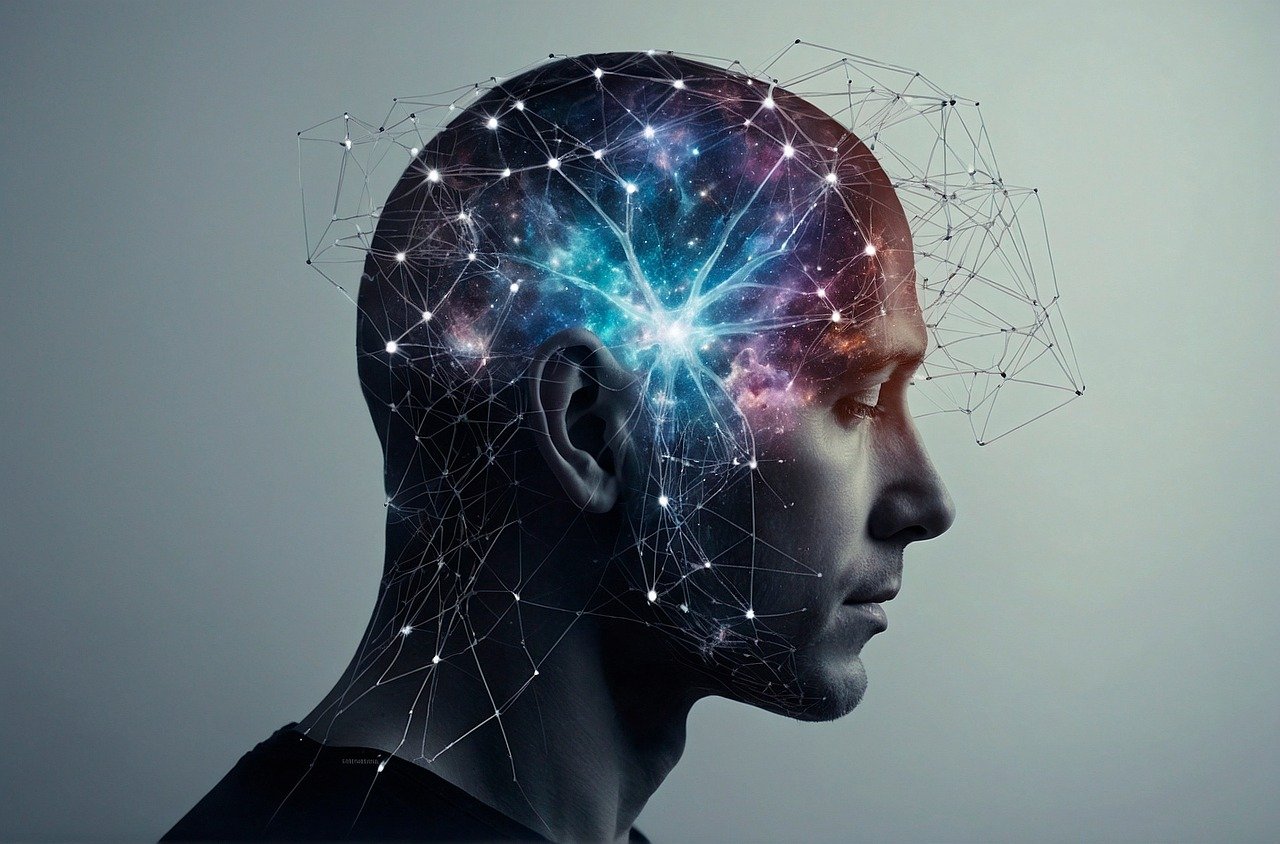

Enlightenment is characterized by an immutable transcendence of mundane consciousness. Once its truth is seen, it can never be unseen.
This article unravels a mystery of consciousness in Buddhism.
The consciousness that is dependent on causes and conditions, or the aggregates, is the mundane self-consciousness. It is the mind that is lost in the world as self. This was expounded by the Buddha in the Sutta on Dependent Origination (paṭiccasamuppāda):
From consciousness as a requisite condition comes name-and-form. From name-and-form as a requisite condition comes contact. From contact as a requisite condition comes feeling. From feeling as a requisite condition comes craving. From craving as a requisite condition comes clinging. From clinging as a requisite condition comes becoming. From becoming as a requisite condition comes birth. From birth as a requisite condition, aging, death, sorrow, lamentation, pain, distress, and despair come into play. (DN 15)
Consciousness is the English translation for a combination of Pali terms Viññāna, Citta, and Manas. Where Viññāṇa corresponds to knowing, Citta to volition, and Manas to thinking.
The word consciousness, as introspection or the perception of an inner self, came into existence in 17th century. The definition is attributed to John Lock (b.1632, d.1704). The philosopher Rene Descartes (b.1596, d.1650) had a similar under understanding and used the word conscientia to express the idea of self-awareness.
The term consciousness, therefore, is not an accurate translation for the idea of mind during the time of the Buddha. Viññāṇa and the similar terms represent the process of thinking and understanding. This is why the Buddha could describe consciousness as impermanent and interdependent.
To the modern mind, the idea of being conscious has become commonplace. But what consciousness is, despite hundreds of years of philosophical and scientific pondering, remains largely a mystery. Most definitions are unpleasantly circular and mostly about how the mind works, not what it is:
Consciousness is a fascinating but elusive phenomenon: it is impossible to specify what it is, what it does, or why it has evolved. Nothing worth reading has been written on it. (Macmillan Dictionary of Psychology (1989 edition), Stuart Sutherland.
Everyone seems to understand it, but no one can explain it. Science has tried to find it with no success. It seems to be everywhere in the brain and nowhere at once. Computers can mimic it but not create it.
But something was revealed with Enlightenment that profoundly impressed the Buddha:
It is the Unformed, the Unconditioned, the End,
the Truth, the Other Shore, the Subtle,
the Everlasting, the Invisible, the Undiversified,
Peace, the Deathless, the Blest, Safety,
the Wonderful, the Marvelous,
Nibbāna, Purity, Freedom,
the Island, the Refuge, the Beyond.
~ S 43.1-44
This is the Unconditioned, also called the Empty Mind or Original Mind. It is the sudden awareness of Awareness:
Consciousness without feature, without end, luminous all around, does not partake of the solidity of earth, the liquidity of water, the radiance of fire, the windiness of wind…
~ M 49.25
The philosopher Jean Paul Sartre did not explain what human consciousness is, but he was very clear about what it is not:
Consciousness is a being for whom in its being there is consciousness of the nothingness of its being. (Being and Nothingness, pg. 87)
Consciousness, as a Nothingness, comes to self-consciousness through existing in time:
This elusive body is precisely the necessity of there being a choice, i.e., the necessity of my not being everything all at once. (Being and Nothingness, pg. 440)
We are born fastened to the physical world. We become individuals fully believing we are the world. We define ourselves with our family, culture, career, interests, habits, likes and dislikes. But being the world eventually becomes a burden, a suffering. Because ultimately, we are not the physical world.
But it is this suffering the world that in turn propels us to realize the true essence of our being:
This world is anguished, afflicted by sense-contact,
even what it calls the ‘self’ is in fact unsatisfactory;
for no matter what it conceives,
the fact is ever other than that.
Always becoming something other, the world
is held by being, afflicted by being and yet delights in being,
yet what it relishes brings fear, and what it fears is pain.
Now this holy life is lived to abandon suffering.”
~ Ud 3.10
Enlightenment is described as an awakening. This is because what most people call reality is like a dream, fantasy driven, a creation of the ignorant mind. It is what Sartre characterizes as Bad Faith:
One puts oneself into bad faith…and being in bad faith is like dreaming. Once this mode of being is actualized, it is as difficult to leave it as to wake up: the fact is that bad faith—like being awake or dreaming—is a type of being in the world that tends to perpetuate itself of its own accord. (Being and Nothingness, pg.116)
With Enlightenment you realize that everything is not as it appears, although nothing changes. Suddenly, you profoundly apprehend the unfathomable mystery of existing. You realize an awareness of being aware.
Human consciousness will always be a mystery because we can only know objects of consciousness. We cannot know consciousness as an object of consciousness. In the same manner that an eye cannot see itself.
We can only understand consciousness as negation, the Nothingness. We are not anything that we can be conscious of, or that we can know to exist.
Consciousness is not anything, and yet it is the source of everything that exists. Everything exists as objects of consciousness, as impression or appearance:
The truth is the reality of mind which is formless and pervades the ten directions. It is being used presently right before your eyes, yet people do not trust it sufficiently, so they accept terms and expressions, seeking to assess Buddhism conceptually in the written word. (Dogen Zenji)
But since consciousness is not anything, then the objects of consciousness are not anything as well. As Emmanuel Kant explains, we can never know the source of the appearance, or true reality:
Emptiness does not differ from form. That which is form is emptiness; That which is emptiness, form. The same is true of feelings, perceptions, impulses, consciousness. all dharmas are marked with emptiness; They do not appear or disappear, are not tainted nor pure, do not increase or decrease. Therefore in emptiness, no form, No feelings, no perceptions, no impulses, no consciousness; No eyes, no ears, no nose, no tongue, no body, no mind; No color, no sound, no smell, no taste, no touch, no object of mind; No realm of eyes until no realm of mind-consciousness; No ignorance and also no extinction of it until no old-age-and-death And also no extinction of it; No suffering, no origination, no stopping, no path; No cognition, also no attainment. With nothing to attain… (Heart Sutra)
With the Enlightenment you become aware of your mysterious, ineffable awareness. Nothing in consciousness has changed but nothing is ever the same.